How often should I have my aircraft detailed?
Most aircraft benefit from monthly or at least quarterly comprehensive detailing, with more frequent service during high-use periods like ski season. Charter aircraft typically need quick-turn cabin refreshes between flights combined with full details during maintenance windows. The right cadence depends on your usage patterns, passenger volume, and the environmental conditions where you operate — mountain airports like ASE create more aggressive material stress than sea-level locations.
Which areas do you serve?
We serve aircraft at Aspen–Pitkin County Airport (ASE) and Garfield County Regional Airport in Rifle (KRIL), covering the Roaring Fork Valley. Same-day service is available at both locations.
What's the difference between a cabin refresh and a full detail?
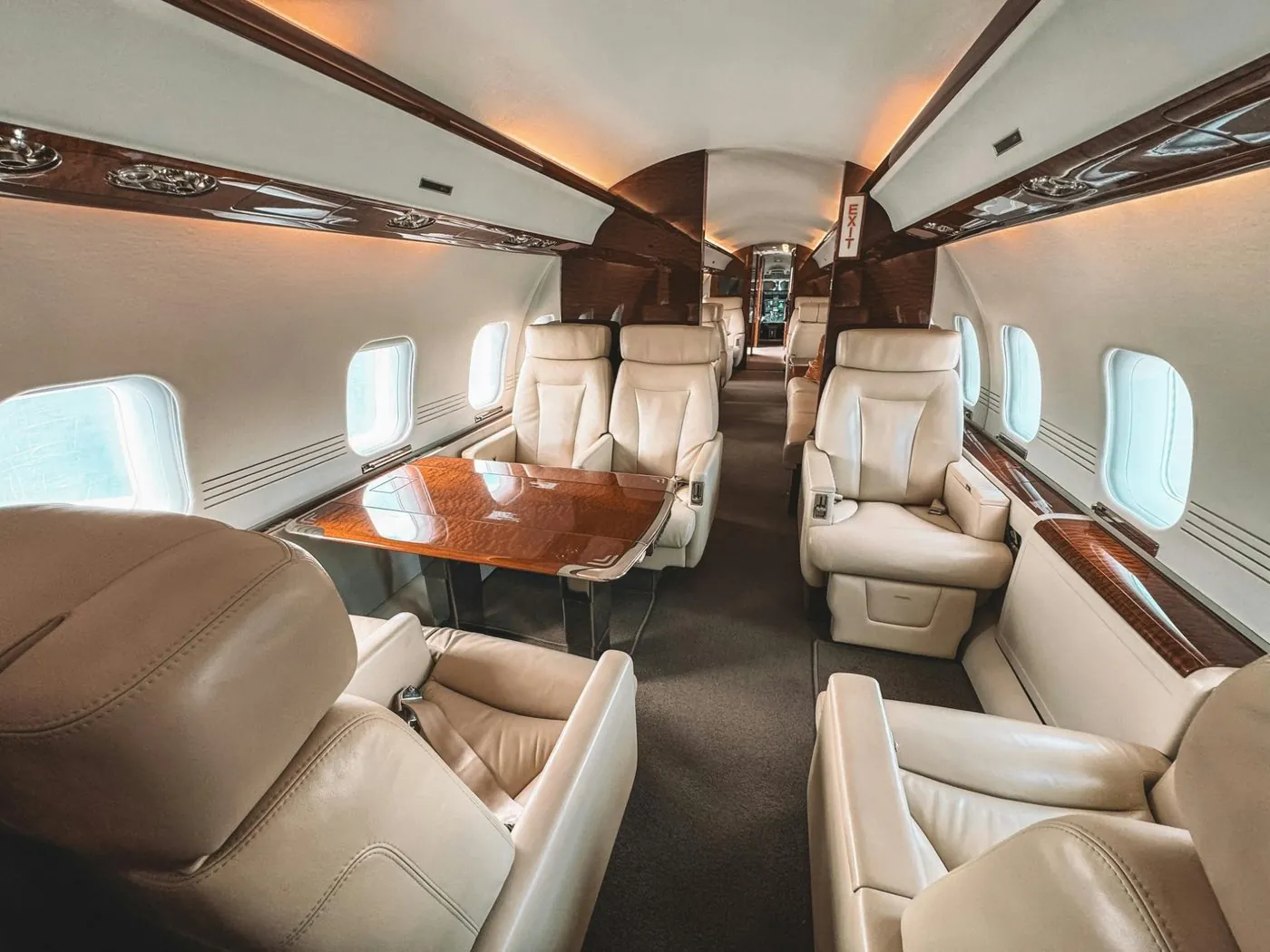
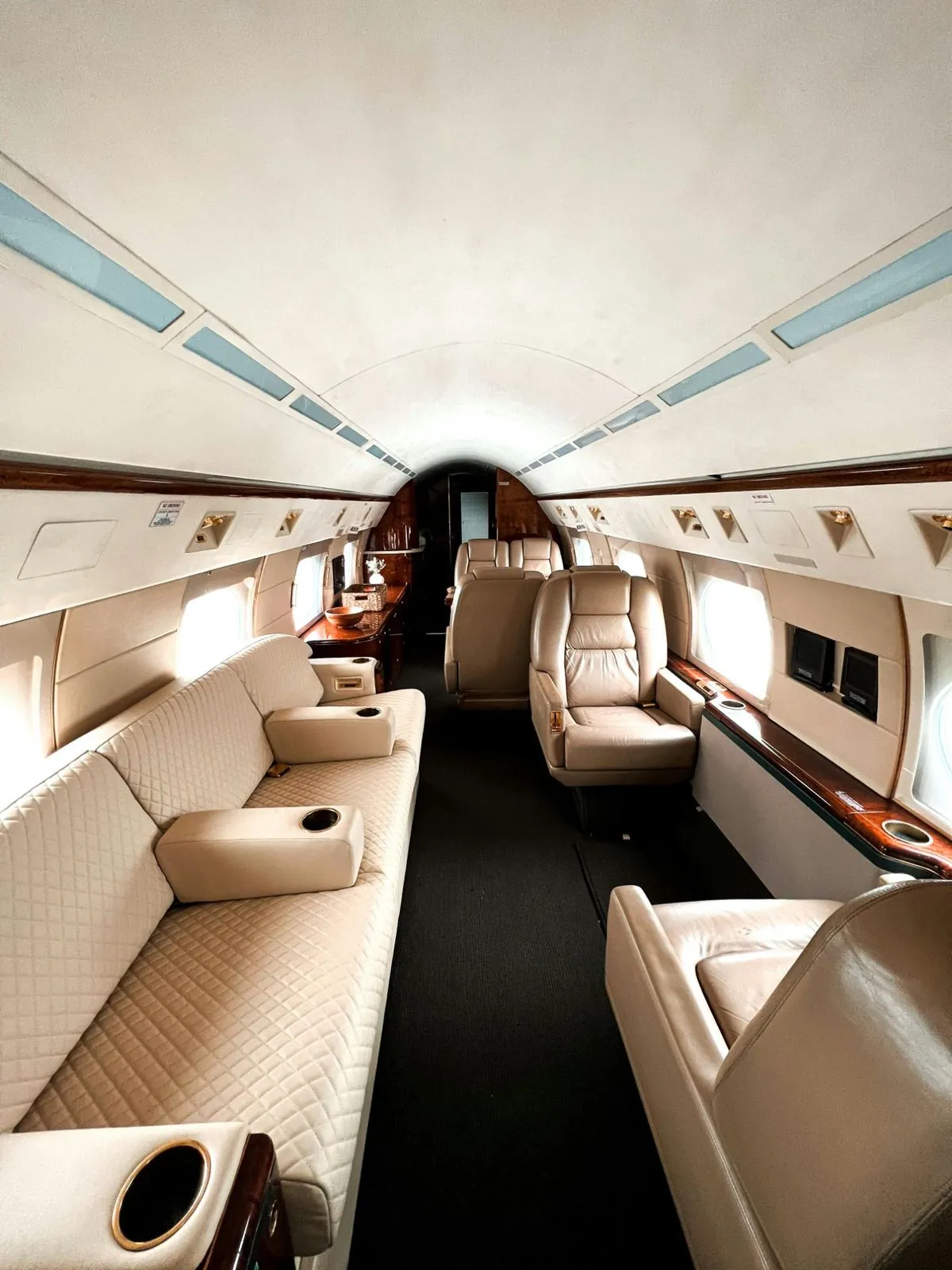
A cabin refresh restores the cabin to passenger-ready condition between flights — full vacuum, leather wipe-down with aviation conditioner, lavatory sanitization, galley reset, and window care. It's what most pilots and schedulers request for quick turns. A full interior detail includes everything in a cabin refresh plus deep heated carpet extraction, comprehensive leather deep-cleaning and conditioning, galley and lavatory deep cleaning, wood veneer treatment, and hardware polishing. Most owners schedule full details quarterly or seasonally, with cabin refreshes between flights. You can also add standalone services like odor elimination or carpet extraction to either tier.
Do you work with charter operators and fleet programs?
Yes. We offer structured fleet detailing programs with tiered service levels designed around charter operational tempo. This includes quick-turn refreshes between rotations, scheduled comprehensive details during maintenance windows, and deep restoration services on a quarterly or semi-annual basis. Fleet programs include priority scheduling and volume-based pricing.
What makes high-altitude detailing different?
Mountain airports like ASE (7,820 ft elevation) create uniquely aggressive conditions for cabin materials. Lower humidity accelerates leather drying and cracking, pressurization cycling at altitude stresses adhesives and veneer finishes, intense UV exposure degrades materials faster than at sea level, and seasonal extremes — salt, snow, dust — introduce contaminants that require specialized treatment protocols calibrated for mountain aviation.
Are you fully insured?
Yes. We carry aviation-specific liability insurance with coverage limits appropriate for the aircraft we service. Certificates of insurance are available upon request and can be provided directly to your FBO, management company, or insurance carrier.
Which products do you use on aircraft interiors?
Every product that touches your cabin meets Boeing D6-7127 and AMS 1550B specifications. We use Celeste, Perrone, and other aviation-certified formulations — the same products trusted by Gulfstream, Bombardier, and NetJets service centers.
Does regular detailing affect my aircraft's resale value?
Significantly. Cabin condition is one of the first things a pre-purchase inspector evaluates, and deferred interior maintenance is immediately visible — cracked leather, stained carpet, degraded veneer. A documented history of professional detailing with aviation-certified chemistry demonstrates that the aircraft has been maintained to the standard OEMs intended. Owners who invest in consistent cabin care routinely see stronger valuations and faster transactions at resale.
How does detailing address cabin air quality and allergens?
Aircraft cabins are pressurized, recirculated environments where contaminants accumulate quickly — dust, biological matter, pet dander, food residue, mold spores. Our deep sanitization and extraction services target soft goods, ventilation surfaces, and high-touch areas where allergens concentrate. For owners and passengers with sensitivities, routine cabin treatment measurably improves the air quality and comfort of your aircraft.
Do you provide service records I can include in my aircraft logs?
Yes. Every service includes a detailed report documenting the work performed, products used, areas treated, and the technician on-site. These records are formatted for inclusion in your aircraft maintenance logs and are available to your management company, insurance carrier, or prospective buyers during pre-purchase inspection.
Can you work around my schedule if I need service before an early departure?
We're based in the Roaring Fork Valley and available on your schedule at both ASE and KRIL. Same-day service is standard — not an exception. Whether it's between legs, late night, or ahead of a morning departure, we build around your flight schedule. Not the other way around.
Why should I use a local detailing service instead of my management company's vendor?
Management companies typically dispatch detailing vendors from larger markets who may not understand what mountain operations do to cabin interiors. We live and work here. We know how the low humidity at 7,820 feet accelerates leather drying and cracking, how pressurization cycling stresses veneer adhesives, and how seasonal contaminants — salt, de-icing fluid, ski-boot grit — track into cabins and degrade soft goods. We're available same-day without dispatch logistics or travel surcharges. And you get a direct relationship with the people doing the work — not a subcontractor you've never met assigned through a third party.